Alessandro Baratta, Fidelissimae Urbis Neapolitanae cum omnibus viis accurataet nova delineatio aedita in lucem, 1629
The Nea_Via project
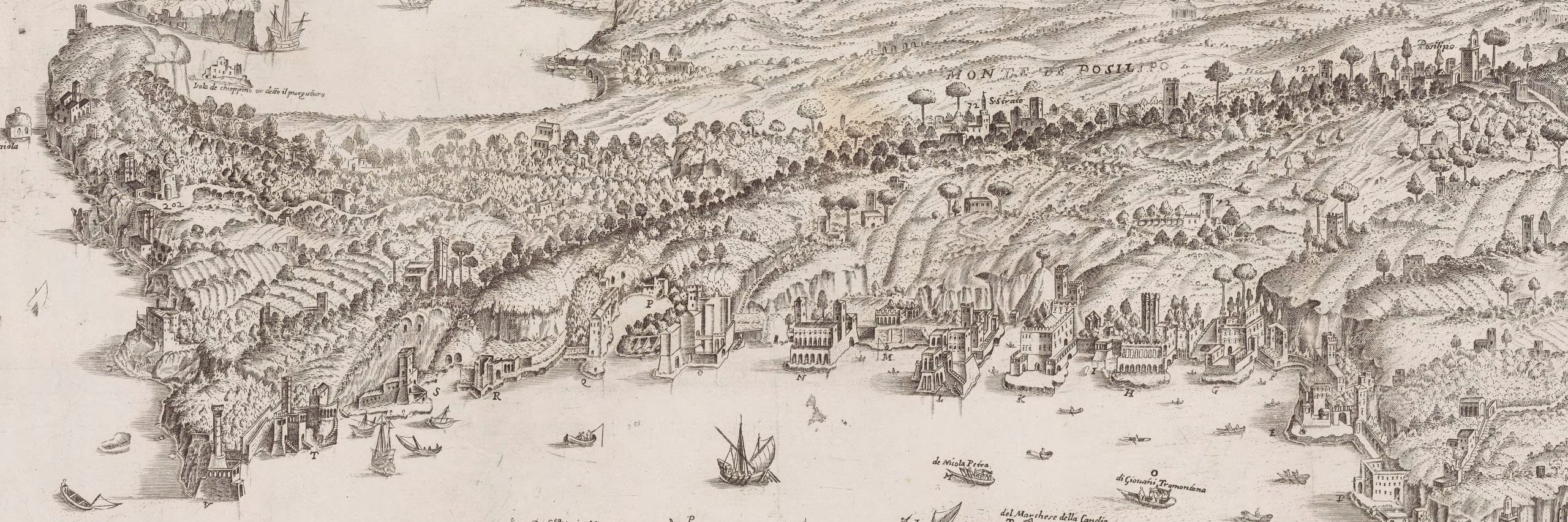
The research project of national interest Nea_Via – Neapolitan Villa. Antiquities and Nature between Renaissance and Baroque (PRIN-PNRR), funded by the European Union-Next Generation EU, aims to deepen the diffusion of the ancient architectural model of the villa in the city of Naples between the late fifteenth and the early eighteenth century. Although the theme boasts a rich historiography, the Neapolitan episodes – for example, the Aragonese villas of the late fifteenth century – have always been studied as isolated cases, while little attention has been given to the development of the phenomenon as a whole, even in the following centuries. The reason behind this gap must be sought in the lack of traces – or difficulty in recognizing them – of the same villas, which, when they did not completely disappear, have been engulfed by subsequent urban transformations.
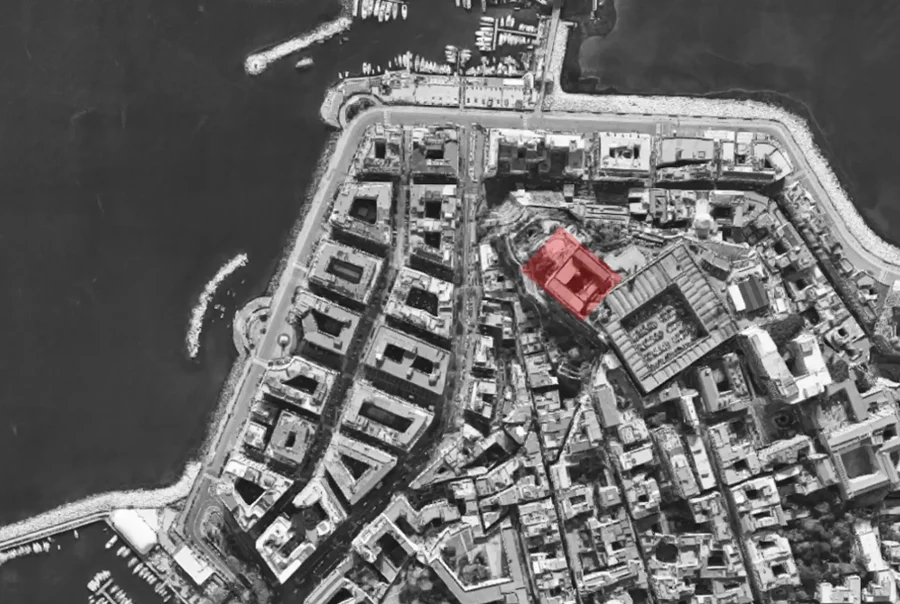
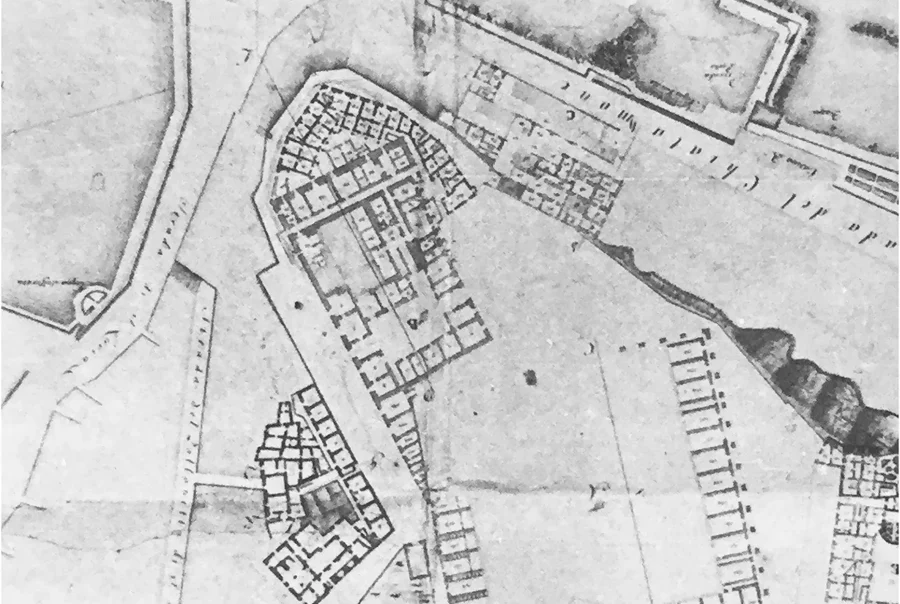
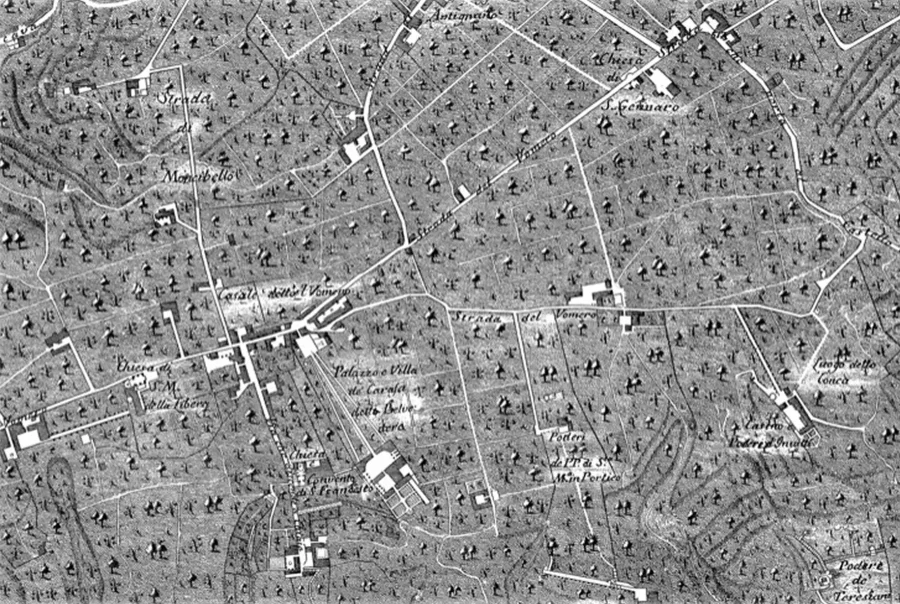
Focusing on different thematic-topographical areas, linked to the extraordinary orography of the city (along the coastline – from Posillipo, to Chiaia, to S. Lucia, to Pietrabianca – and on the hills of Vomero, Capodimonte, Pizzofalcone, privileged places for their settlement), the two research units intend not only to study the preserved episodes but to catalog and restore the consistency of what is irretrievably lost, through archival research, the study of literary sources, periegetic and iconographic and, where possible, the survey of any physical traces worthy of preservation.
As these are multilayered episodes, the primary objective of the project is to reconnect the stories revealed through the sources with the physical places, identifying remnants and sites of memories scattered in the contemporary city.
In addition to contributing to the advancement of architectural-historical studies – through the necessary comparison with contemporary examples from other geographical areas – the project also has a dissemination purpose, in order to promote those processes of knowledge of heritage translatable into awareness by civil society.
The drafting of information sheets on the history of villas – with a particular focus on architectural and artistic data – and their inclusion in a GIS, an information system that correlates the different cases with their position on the satellite map, will provide a valuable open access tool for the community to re-appropriate these memories and their context. Similarly, the creation of inclusive tourist itineraries will make it possible to mend the relationship both with places today affected by urban disorder (Salute, Capodimonte, San Giovanni-Barra) and with now elitist areas (Posillipo, Pizzofalcone).
In conclusion, Nea_Via, in line with the PNRR strategic theme Cluster 2, aims to recover the historical roots of the cultural landscape of the city of Naples to affect human well-being through participatory knowledge processes.